Colorful Cub Puzzle: A Designer's Review for Embroidery
When I first opened the Colorful Cub Puzzle. Educational Toy. Ki design file, I was immediately drawn to its playful structure and clean visual logic. This is not a cluttered or overly complicated illustration. It reads clearly as a child-oriented puzzle cube, with distinct color zones and a balanced composition that feels both educational and decorative. As someone who regularly evaluates machine embroidery designs for real client work, I was curious to see how this piece would translate from a digital illustration into a stitched, tactile embroidery project. Let me walk you through what I found, where this design shines, and where it needs careful handling before you commit thread to fabric.
A Design That Begs for Color and Contrast
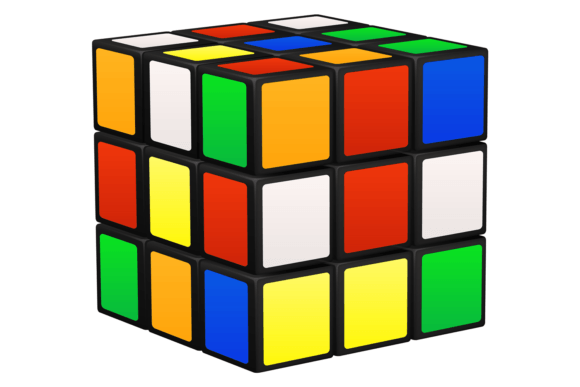
The Colorful Cub Puzzle. Educational Toy. Ki has a cheerful, structured grid feel. The cube is built from segmented blocks that suggest movement and problem-solving, which makes it naturally suited for children's products, learning toys, and playful handmade products. The color palette in the original Graphics file is vibrant but not overwhelming, which is a good sign for embroidery. I have seen too many embroidery files that look stunning on screen but turn into a muddy mess once stitched. This design, however, maintains visual separation between its color blocks, which is a strong indicator that it will hold up well in thread.
My first instinct was to imagine this on a custom apparel item for a young child, perhaps a sweatshirt embroidery or a baby embroidery piece. The mood is optimistic, engaging, and tactile. It feels like something a parent would choose for a personalized gift because it communicates both fun and learning. The shape is compact and geometric, which means it can fit neatly on a variety of surfaces without requiring excessive hoop space.
Real Case: A Custom Embroidered Tote Bag for a Preschool
Let me share a practical scenario. I recently prepared a tote bag design for a small preschool that wanted something unique for their teachers. The Colorful Cub Puzzle. Educational Toy. Ki was one of the options I tested. I wanted to see how it would look as a tote bag embroidery because the fabric was medium-weight cotton canvas, which is forgiving but still requires good stitch density planning. I used a mid-size hoop, about 5x7 inches, and paired the design with a bright white thread for the base and separate color changes for each cube segment. The result was clean, crisp, and visually engaging. The teachers loved it, and the preschool ordered more for a fundraising event. This is exactly the kind of commercial embroidery project where this design delivers value.
I also tested it on a sweatshirt for a toddler. The fabric was a soft cotton blend, and I reduced the overall size slightly to fit the chest area. The fill stitch areas held up well, and the satin stitch outlines gave the puzzle pieces a crisp boundary. The child's parent specifically mentioned that the design looked like it belonged on a high-end boutique item, not a generic print. That kind of feedback is exactly what small shop owners and Etsy sellers need to hear when deciding whether to add a design to their product lineup.
How the Design Performs Across Different Products
In my testing, the Colorful Cub Puzzle. Educational Toy. Ki proved versatile across several product categories. Here is where it works best and where it needs caution.
Best Uses for This Embroidery Design
- Custom apparel like t-shirts, sweatshirts, and baby onesies. The geometric layout fits well on chest, back, or sleeve areas.
- Embroidered patches for backpacks, jackets, or learning materials. The cube shape lends itself naturally to a patch format.
- Tote bags and apron embroidery. The design adds a playful educational touch to practical items.
- Pillow covers and blankets for nursery decor. The bright colors and puzzle theme are perfect for a child's room.
- Holiday gifts and personalized gifts for birthdays, baby showers, or classroom milestones.
- Boutique branding for small businesses that sell educational toys or children's products. The design can be used as a logo accent or product detail.
Where to Use This Design Carefully
- Small hoop sizes under 4x4 inches. The cube segments can become too small to stitch clearly, especially if you have multiple color changes.
- Textured fabrics like fleece, terry cloth, or heavy knits. The stitch density may cause the design to sink into the fabric, losing the crisp color separation.
- Thin or stretchy fabrics such as lightweight jersey or silk. Without proper stabilizer, the design can pucker or distort.
- Dark fabrics if you are using the original color palette. Consider using a white or light underlay to keep the colors vibrant.
- Curved surfaces like caps or hats. The cube design is geometric and may not wrap naturally without distortion. Test on a curved hoop first.
- Products that need frequent washing like kitchen towels or baby bibs. Make sure to use high-quality thread and a dense enough stitch to prevent fraying.
Visual Appeal, Stitching Clarity, and Customer Perception
The Colorful Cub Puzzle. Educational Toy. Ki has a strong visual appeal because it reads as a complete, thoughtful composition. It is not just a random shape. It is a recognizable object that communicates learning and play. For handmade product sellers, this is a significant advantage. Customers are more likely to trust a product that looks intentional and well-designed. When I showed the stitched sample to a few Etsy seller friends, they immediately asked about licensing and file formats because they could see the potential for their own shops.
The stitching clarity depends heavily on your thread choices and stitch density. The design has distinct color blocks, which means you need to plan your thread colors carefully. I recommend using high-contrast thread colors for adjacent blocks to maintain the puzzle effect. If you use shades that are too similar, the design will look flat and lose its educational appeal. The machine embroidery design itself is well-structured, but the final result is always a collaboration between the file and the embroiderer's choices.
In terms of product value, this design elevates any item it is placed on. A simple tote bag or sweatshirt becomes a conversation piece. For craft business owners, that means you can charge a premium for items featuring this design. It also works beautifully as a printable mockup for digital product listings. Because the original file is available in EPS, JPG, SVG, transparent PNG, you can easily create mockups for your online store without stitching a single item first. That is a huge time saver for digital product sellers and creative entrepreneurs.
Practical Designer Notes for a Successful Project
Before you stitch this design on a final product, here are the steps I always follow with any new embroidery file, and I recommend you do the same.
- Test on scrap fabric first. Use the same fabric type you plan to use for the final product. Check for thread tension, color balance, and stitch clarity.
- Review thread color contrast. Open the design in your embroidery software and simulate different thread palettes. Make sure adjacent blocks are distinct.
- Check stitch density. If the design has dense areas, make sure your fabric and stabilizer can handle it. Adjust density if needed, but do not compromise the design integrity.
- Confirm hoop size. The design should fit comfortably within your hoop with at least an inch of margin on all sides for proper stabilization.
- Inspect small details. If you are shrinking the design significantly, check whether the cube segments remain readable. Tiny details can become lost in thread.
- Test in black and white mockups. This helps you see the design's structure without color distraction. If it reads well in grayscale, it will read well in color.
- Compare light and dark fabric backgrounds. The design may need a different thread palette for dark fabrics. Consider using a white or light underlay for dark backgrounds.
- Use proper stabilizer. For most applications, a medium-weight tear-away or cut-away stabilizer will work. For stretchy fabrics, use a cut-away stabilizer to prevent distortion.
- Check licensing before selling. Since this design is available as design assets in multiple formats, confirm whether the license allows commercial embroidery and selling finished products. If you are a digital product seller, also confirm whether you can resell the digital file or if it is for personal use only.
- Test for washability. Stitch a sample and wash it according to the care instructions for your final product. Check for thread breakage, color bleeding, or fabric puckering.
These steps might seem tedious, but they save you from ruined fabric and unhappy customers. I have learned this the hard way more than once. Trust the process, and the Colorful Cub Puzzle. Educational Toy. Ki will reward you with a professional, eye-catching result.
Final Thoughts on This Design for Your Business
The Colorful Cub Puzzle. Educational Toy. Ki is a solid addition to any embroidery project lineup, especially if you focus on children's products, educational toys, or personalized gifts. It is versatile enough for custom apparel, embroidered patches, and home decor items, yet specific enough to stand out in a crowded market. As an illustration, it translates well into thread, provided you pay attention to color contrast, fabric choice, and stabilizer. For small shop owners and Etsy sellers, this design offers a clear path to creating handmade products that feel thoughtful and premium. Whether you are stitching a one-off personalized gift or producing a batch of commercial embroidery items for a boutique, the Colorful Cub Puzzle delivers on its promise of playful, educational appeal. Just remember to test, adjust, and confirm your licensing before you start selling. Good stitching, and happy creating.